Avocet uPVC Door Lock Range
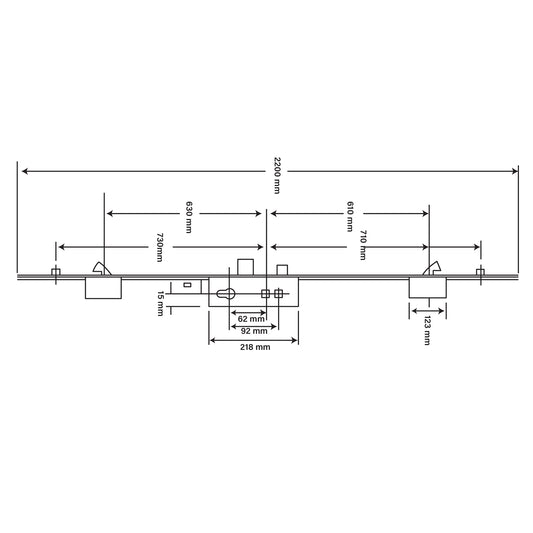
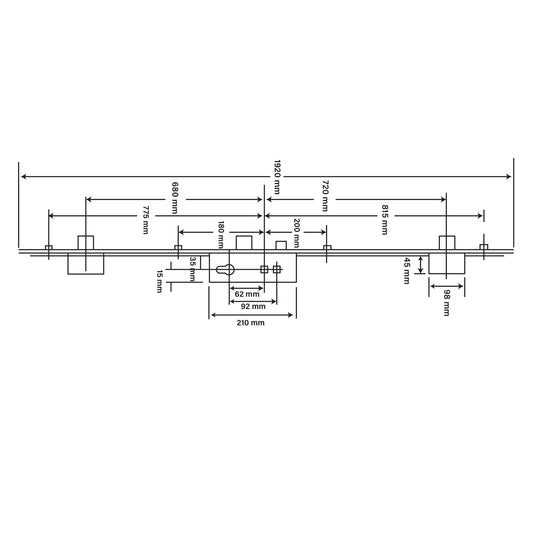
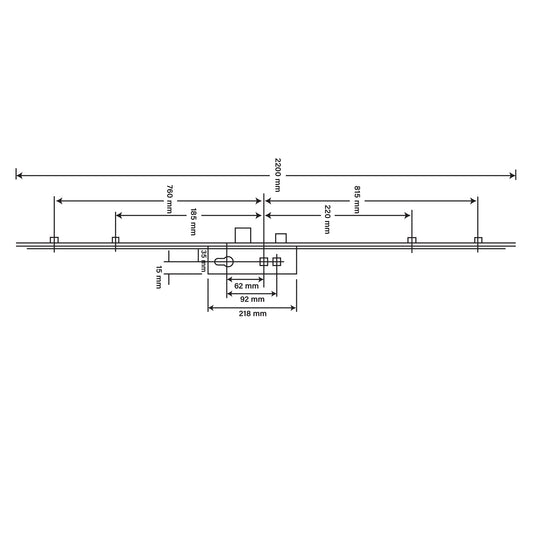
Avocet produces multipoint door locks designed for uPVC, timber, and composite doors. The range includes several main variants to suit different door configurations: 2 Hook 2 Roller, 4 Roller, and 2 Deadbolt 4 Roller models are the most common options available.
If you've seen WMS or KMB branding on your existing lock, these are the same manufacturer—Avocet has rebranded over the years, but the locks remain compatible. The standard backset measurement is 35mm (measured from the metal faceplate strip to the centre of the keyhole), with PZ centres typically at 92mm, though other sizes exist.
Understanding which variant you need depends on matching your existing lock's measurements and locking point configuration. All Avocet locks in this range are designed as like-for-like replacements for failed mechanisms.
How to Identify Your Avocet Lock
Identifying your lock correctly before ordering prevents costly mistakes and delays. Start by checking the faceplate—the metal strip visible on your door's edge—for branding. Look for Avocet, WMS, or KMB stamped into the metal.
Next, measure the PZ distance. This is the critical measurement: the distance from the centre of the keyhole to the centre of the square spindle hole (where the handle sits). This measurement must match your replacement lock exactly. Common PZ distances include 92mm, 70mm, and 62mm, but never assume—always measure your existing lock.
Measure the backset from the metal faceplate strip to the centre of the keyhole. Don't measure from any plastic trim on the door—measure from the metal strip itself. This is almost always 35mm on UK uPVC doors, occasionally 45mm.
Measure the faceplate width across the metal strip. Common sizes are 16mm, 20mm, and 22mm. This must match your existing lock for proper fit.
Finally, note what type of locking points your lock has—hooks, rollers, mushrooms, or shootbolts—and roughly where they sit. An exact match makes installation straightforward, though keeps can be adjusted if needed.
Avocet Lock Specifications
Understanding the technical specifications helps ensure compatibility with your door:
Backset: 35mm is standard (occasionally 45mm). Always measure from the metal faceplate strip to the cylinder centre—not from any plastic door lip.
PZ centres: 92mm is most common, but 62mm and 70mm are also available. You must measure your existing lock rather than assuming a standard size.
Faceplate width: Available in 16mm, 20mm, or 22mm depending on the model. This dimension must match your existing lock.
Locking configurations: Choose from 2 Hook 2 Roller, 4 Roller, 2 Deadbolt 4 Roller, and 3 Deadbolt variants depending on your door's existing setup.
Reversible latch: Suits both left and right handed doors without modification.
Handle compatibility: Works with lever/lever and lever/pad handle operations.
These specifications apply across the Avocet range, including locks previously branded as WMS or KMB. For installation guidance once you've selected your lock, visit our uPVC door lock installation guide.
Choosing the Right Avocet Replacement
Three measurements must match your existing lock for proper fit: PZ distance, backset, and faceplate width. Getting these right ensures the lock aligns with the holes already routed in your door for the handle and cylinder.
The locking point positions should be compatible with the existing keeps (striking plates) in your door frame. If the locking points don't sit in exactly the same positions, don't worry—keeps can be adjusted in or out to achieve proper engagement and smooth locking action.
You can take all necessary measurements with the lock still in your door. There's no need to remove it until you're ready to fit the replacement. If you're uncertain about identification or compatibility, take photos of your existing lock showing the faceplate and overall configuration.
Browse our full range of multipoint door locks or check our door lock keeps and striking plates section if you need adjustment accessories.
Common Avocet Lock Questions